
Multimeter Resolution vs Accuracy: How to Read the Specifications

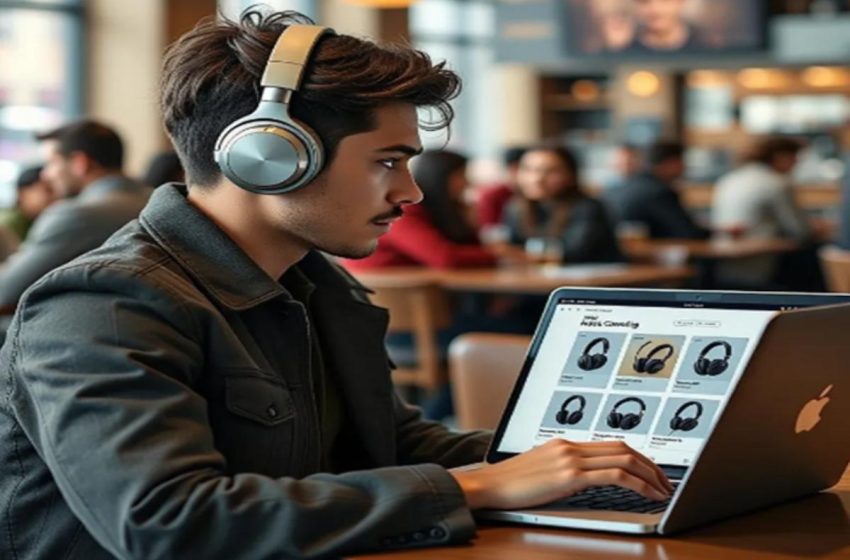
Shop Noise-Canceling Headphones: Compare Before Buying
Published: January 16, 2025
Last Updated: November 19, 2026
Last Updated: November 19, 2026
When you shop for noise-canceling headphones, start with where you will use them and which sounds you want to reduce. Then compare fit, battery life, microphone performance, connectivity, and the seller’s return policy.
No single model is best for everyone. A comfortable over-ear pair for a long flight may be less suitable for exercise, while compact earbuds may not feel right during an entire working day. Treat product specifications as a starting point, not a substitute for checking your own needs.
This article is part of
Phones & Wearables
Table of Contents
Understand what noise cancellation can do
Noise-canceling headphones reduce unwanted sound; they do not make every environment silent.
Three different features often appear in product descriptions:
| Feature | What it does | What to check |
|---|---|---|
| Passive isolation | Uses the fit and physical materials to reduce incoming sound | Ear-tip seal, ear-cup fit, and comfort |
| Active noise cancellation, or ANC | Uses microphones and processing to generate an opposing signal that reduces unwanted sound at the ears | Performance against the noises you encounter |
| Microphone noise reduction, sometimes marketed as ENC | Reduces background noise in the voice signal sent during calls | Call recordings or tests in relevant conditions |
Passive isolation and ANC can work together. ENC is not another name for the physical shape of the headphones, and it does not automatically mean the wearer receives effective ANC.
According to Sony’s explanation of noise cancellation, ANC generally works particularly well against steady, lower-frequency noise, such as engine rumble. Speech and sudden, changing sounds can remain audible.
The opposing signal is part of the noise-reduction process. Describing it as inherently “health damaging” is not an accurate explanation of how ANC works.
Choose a design for your main activity
Commuting and travel
Prioritise a comfortable fit, effective reduction of steady background noise, practical controls, and enough battery life for the journey.
Check whether the headphones fit into your bag, how they charge, and whether you need a particular connection for in-flight entertainment.
Do not assume that every model with a cable input works identically when powered off.
Work and calls
Assess two separate questions:
- How well do the headphones reduce the distractions you hear?
- How clearly can other people hear your voice?
Strong listener-side ANC does not establish strong microphone performance. Check call samples, device compatibility, and switching behaviour rather than relying on a noise-canceling label alone.
If possible, test comfort with glasses and during a normal-length meeting.
Exercise and outdoor use
Check stability, controls, and the exact model’s sweat- or water-resistance claims.
Do not assume an over-ear design is suitable for exercise because it has ANC. Similarly, do not treat “water-resistant” as permission to submerge a product.
Where awareness of traffic or other hazards matters, prioritise the activity’s safety requirements over maximum isolation.
Compare these models without treating the list as a ranking
The following models provide a starting shortlist. They have not been tested or ranked for this article, and they are not an exhaustive list of current options.
Manufacturer runtime figures are maximum claims under specified conditions—not guaranteed results for every listener.
| Model | Format | Verified comparison point | Check before buying |
|---|---|---|---|
| 1MORE SonoFlow, HC905 | Over-ear | 1MORE lists up to 50 hours with ANC on and 70 hours off. | Confirm the exact SonoFlow variant and compare its ANC performance with your alternatives. |
| Belkin SoundForm Isolate, AUD008 | Over-ear | Belkin specifies hybrid ANC. | Verify the exact model and the conditions attached to battery claims. |
| Bose QuietComfort 45 | Over-ear | Bose documents up to 22 hours of playback with noise cancellation on. | Compare its actual selling price, condition, warranty, and features with other options. |
| Sony ULT WEAR, WH-ULT900N | Over-ear | Sony lists up to 30 hours with noise cancellation on and 50 hours off. | Check comfort, sound preferences, and suitability for calls. |
| Sony WH-1000XM5 | Over-ear | Sony lists up to 30 hours with noise cancellation on and 40 hours off. | Check portability, microphone performance, and compatibility with your devices. |
| Google Pixel Buds Pro 2 | In-ear earbuds | Google specifies ANC; access to some features depends on the connected device and software. | Check ear-tip fit, phone requirements, and earbud-only versus case-assisted runtime. |
Do not assume a more expensive model will be more comfortable for your ears. Likewise, a longer advertised battery life does not prove better noise cancellation.
Compare current local prices for the exact model. Price categories such as “under $100” can become inaccurate when discounts, currencies, sellers, or product variants change.
Check the features that matter for your routine
Comfort and fit
Try the headphones where possible, or choose a seller with a suitable return policy.
For over-ear headphones, assess:
- Headband pressure.
- Ear-cup size and depth.
- Heat buildup.
- Weight.
- Fit with glasses.
For earbuds, try the supplied tip sizes and check whether the seal remains comfortable when you move or speak.
A good specification sheet cannot guarantee a good personal fit.
Connectivity and battery life
When comparing Bluetooth headphones, check compatibility and charging requirements as carefully as noise cancellation.
Confirm:
- Support for your phone, computer, or other source.
- How switching between devices works.
- Whether multipoint meets your needs.
- Which app features require a particular operating system.
- Runtime with ANC enabled.
- Charging connector and cable requirements.
- Whether wired listening is available and what it requires.
For earbuds, distinguish listening time on one charge from the total obtained by returning them to their charging case.
Calls, gaming, and other specialist uses
Do not infer call quality or gaming suitability from ANC alone.
For calls, look for useful microphone demonstrations. For gaming or live audio, check connection-specific latency evidence and microphone behaviour.
A product can be suitable for music and travel without being the right choice for every professional or gaming task.
Maintenance and long-term ownership
Check whether you can obtain:
- Replacement ear pads or tips.
- Charging cables or a replacement case.
- Manufacturer repairs.
- Battery service.
- Clear warranty support in your location.
Include those practical considerations in the purchase decision rather than looking only at the initial discount.
Compare sellers as carefully as headphones
Consider manufacturer stores and reputable retailers available in your country. Best Buy is one retailer offering a noise-canceling category, but it is not the only purchasing route.
Before paying, confirm:
- The exact model and variant.
- Whether the item is new, refurbished, or used.
- The seller’s identity.
- Warranty eligibility in your location.
- Returns, restocking charges, and any restrictions on opened earbuds.
- Included accessories.
- The final price, including applicable delivery charges and taxes.
Use customer reviews to identify recurring concerns, but check the model and review context. A high star rating alone does not tell you how well a pair will fit or perform for your particular use.
Use and care for your headphones sensibly
Follow the manufacturer’s charging and cleaning instructions rather than applying a universal first-use routine.
Useful habits include:
- Adjusting the fit before judging ANC.
- Keeping microphones and vents unobstructed.
- Using only the cleaning methods permitted for the model.
- Allowing moisture to dry before charging where the instructions require it.
- Storing the headphones in a suitable case.
- Keeping playback at a modest level and taking listening breaks.
WHO’s safe-listening guidance recommends well-fitted, noise-canceling headphones to reduce the temptation to raise the volume in noisy surroundings. Listening level and duration still matter.
Ordinary ANC headphones should not automatically be treated as protection for hazardous noise. NIOSH states that noise-canceling headphones or earbuds should not be considered hearing protection unless appropriately labelled with a Noise Reduction Rating. 2904
Frequently asked questions
What is the difference between ANC and ENC?
ANC reduces unwanted sound reaching the listener’s ears. ENC commonly refers to reducing background noise picked up during calls. Passive isolation is the physical reduction provided by the fit and materials. Check how each manufacturer uses these terms.
Will noise-canceling headphones block every voice?
No. ANC commonly works best against steady, lower-frequency sounds. Speech, abrupt noises, and imperfect fit can limit the result, so some sound may remain audible.
Are noise-canceling headphones worth buying?
They can be useful when unwanted background noise regularly interferes with listening. The worthwhile purchase is one whose fit, noise reduction, connectivity, and price suit your routine—not simply the most expensive model.
Can I use one pair for work and leisure?
Often, but check both sets of requirements. Music playback, microphone quality, long-session comfort, and device switching are separate considerations.
Conclusion
Shop for noise-canceling headphones by matching the product to your environment, comfort needs, and devices. Compare exact models, read battery claims in context, and check the seller’s warranty and return terms.
Treat ANC as one useful feature—not proof of complete silence, excellent calls, gaming suitability, or hearing protection. A carefully checked shortlist is more useful than an unsupported “best for everyone” recommendation.