
Multimeter Resolution vs Accuracy: How to Read the Specifications

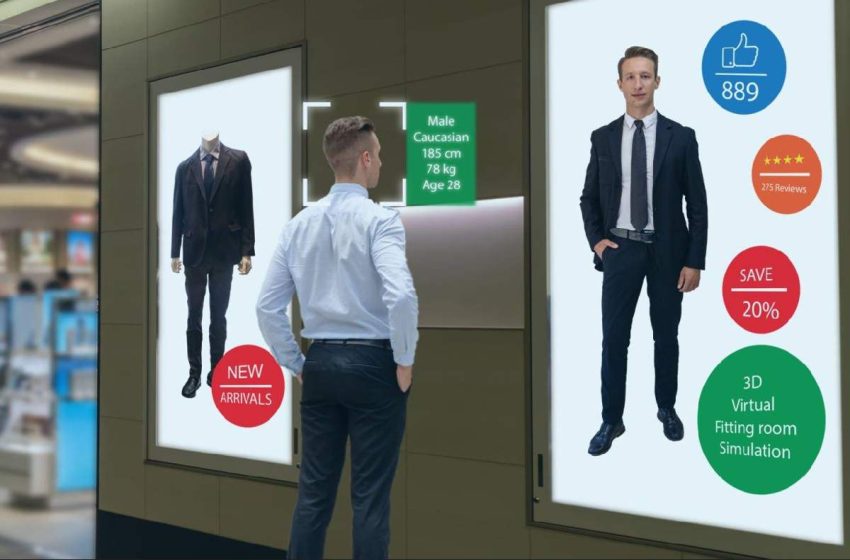
6 Digital Signage Strategies for Tech Stores
Published: March 27, 2024
Last Updated: November 16, 2026
Last Updated: November 16, 2026
Digital signage is becoming an important marketing tool for retail businesses. From displaying product information to promoting special offers, digital screens help stores communicate with customers through attractive visual content.
Technology stores can use digital signage to showcase new gadgets, explain product features, display customer reviews, and promote exclusive deals. Unlike traditional posters, digital displays let businesses update messages without replacing printed materials.
Creating effective signage doesn’t require a large marketing budget. Businesses can use design tools such as PosterMyWall to prepare promotional graphics and digital signage content.
Here are six practical digital signage strategies that technology stores can use to attract customers and improve the shopping experience.
This article is part of
Cloud Infrastructure
Table of Contents
1. Display High-Quality and Relevant Content
The quality of your digital signage content plays an important role in attracting customers. Poor-quality images, difficult-to-read text, and unrelated messages can make displays less effective.
Understanding the differences between static and digital signage can help retailers choose the right display format for their promotional messages.
Start by understanding your target audience and deciding what information will be most useful to them.
For example, a technology store could display:
- New smartphone launches.
- Laptop specifications and features.
- Product comparison graphics.
- Accessories and compatible devices.
- Special offers and seasonal promotions.
- Short product demonstration videos.
Keep messages simple and visually clear. Use readable fonts, suitable colours, high-quality images, and concise descriptions.
It is also important to consider screen placement. A display near a laptop section should focus on laptop features and comparisons rather than unrelated promotions.
2. Create Custom Slideshows for Special Deals
Promotional slideshows are a practical way to advertise products, discounts, and special offers in a technology store.
Instead of displaying one static advertisement, businesses can rotate several promotional messages throughout the day.
For example, a technology retailer could create slides featuring:
- Discounts on selected smartphones.
- Special laptop bundles.
- Accessories and add-on products.
- New product arrivals.
- Weekend promotional offers.
- Limited-time seasonal deals.
You can use a custom slideshow maker to prepare promotional visuals without creating every design from scratch.
However, make sure the slides are easy to understand. Each should focus on one main message, include the relevant product information, and display clear offer conditions.
Schedule promotional content according to its start and end dates. This prevents expired discounts from remaining visible after a campaign finishes.
3. Provide Useful Product Information
Digital signage should help customers answer practical questions, not just advertise products.
Use screens near relevant products to explain information shoppers may need before purchasing. Examples include:
- Device dimensions and available storage options.
- Ports, connections, and included accessories.
- Compatibility with chargers, headphones, and other devices.
- Differences between product models.
- Where to find setup assistance or further specifications.
For example, a display beside laptops could show their available ports and explain which adapters are needed for common accessories.
Keep comparisons accurate and clearly identify the models being compared. Customers should be able to understand the main differences without reading a crowded specification sheet.
4. Showcase Customer Reviews and Testimonials
Customer reviews can influence purchasing decisions, particularly when people are comparing expensive technology products.
Digital signage provides an opportunity to display genuine customer feedback inside the store.
You can use your digital signage content to showcase:
- Short testimonials about the shopping experience.
- Product ratings with the source and review count.
- Feedback about setup assistance.
- Comments about after-sales service.
- Reviews of the specific products on display.
Incorporate short testimonials into your digital signage content using readable text and a layout consistent with your store’s branding.
Always use genuine reviews, obtain permission where required, and avoid presenting selected positive feedback misleadingly. Keep the information readable and make sure the displayed reviews are still relevant.
5. Promote Discounts and Special Offers
Discounts and promotional offers are useful ways to attract attention and encourage customers to consider a purchase.
Technology stores can use digital displays to communicate current offers without repeatedly printing new promotional posters.
Some examples include:
- Discounts on selected laptops.
- Smartphone exchange offers.
- Accessories bundled with new devices.
- Loyalty programme benefits.
- Seasonal sales.
- Limited-period promotional campaigns.
You can also use countdowns or scheduled messages to communicate when an offer expires.
However, promotional information must be accurate. Clearly display the applicable product, discount, eligibility conditions, and offer expiry date.
For businesses with multiple screens, a central content management process can help ensure that promotional information remains consistent across the store.
6. Explain Why Your Products Are Worth Buying
Displaying product names and prices is not always enough to convince customers.
People also want to understand what makes a product useful and how it meets their requirements.
Digital signage can communicate these benefits through short demonstrations, comparison graphics, and practical examples.
For instance:
- Show how a smartphone camera performs in different lighting conditions.
- Explain how a laptop’s processor and memory affect everyday tasks.
- Demonstrate the benefits of wireless headphones.
- Compare the features of different smart televisions.
- Explain how a particular accessory works with compatible devices.
Focus on practical benefits instead of filling screens with technical specifications.
A short demonstration showing how a product solves an everyday problem may communicate more effectively than a long list of features.
Where Should Technology Stores Place Digital Signage?
The location of a digital display can influence whether customers notice and use its content.
Consider placing screens in the following areas:
- Store entrance: Display new arrivals, store-wide offers, and promotional announcements to attract visitors.
- Product sections: Show product features, comparisons, and demonstrations near the relevant items.
- Checkout counters: Promote accessories, warranties, loyalty programmes, and complementary products.
- Customer service areas: Display information about repairs, warranties, returns, and available support services.
- Store windows: Use clear promotional visuals to communicate offers to people passing outside.
The message should match the purpose of each location. A customer waiting at the checkout may be interested in accessories, while someone browsing laptops may want product comparisons.
How to Measure Digital Signage Performance
Installing digital screens is only the first step. Technology stores should also evaluate whether their content is achieving its intended purpose.
Some useful measurements include:
- Offer responses: Use a campaign-specific redemption code, or a trackable QR code where appropriate, to record responses to a displayed promotion.
- Product enquiries: Monitor whether particular displays generate questions from shoppers.
- Sales performance: Compare sales of promoted products before and during campaigns, while considering other factors.
- Content accuracy checks: Review prices, specifications, and promotional dates regularly. Treat this as a maintenance check rather than evidence that a campaign increased sales.
- Customer feedback: Ask shoppers whether the displays provide useful information.
Businesses can use these observations to identify which messages are working and improve future campaigns.
The Key Takeaway
Digital signage can help technology stores explain products, share customer feedback, and communicate current offers. Start with a clear purpose for each screen, match the content to its location, and keep product information and promotions up to date.
Review customer responses and sales patterns to identify which messages deserve more screen time.
Digital displays also have applications in food retail and hospitality, where digital menu board benefits include flexible menu updates and clearer presentation of products and prices.