
Multimeter Resolution vs Accuracy: How to Read the Specifications

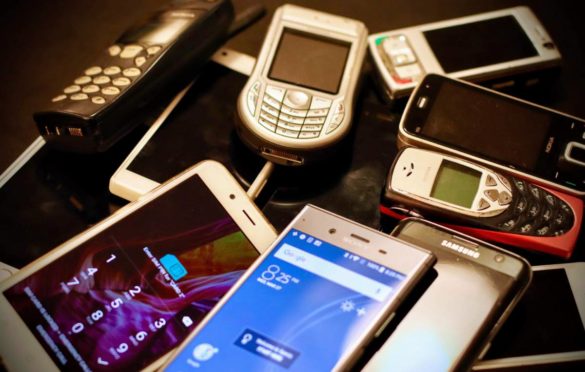
5 Ways to Repurpose an Old Android Smartphone
Published: April 2, 2024
Last Updated: November 18, 2026
Last Updated: November 18, 2026
An old Android smartphone can still be useful as a calling device, media player, controller, or camera. The right job depends on its condition, available software, and the information it needs to access.
Do not assume that an application installing successfully makes the phone suitable for continuous monitoring or sensitive accounts. Start with the battery and support status, then choose a task the device can perform reliably.
This article is part of
Phones & Wearables
Table of Contents
Check the phone before choosing a new job
Inspect the handset, charging port, cable, and battery condition. If the battery is swollen, stop using the device and seek manufacturer or qualified repair guidance. Samsung explicitly warns against continuing to use a phone with battery swelling.
Then check:
- Whether security updates are still available.
- Whether the required app supports the installed Android version.
- Whether the camera, microphone, speaker, and connection work.
- Which old accounts, files, and permissions are no longer needed.
- Whether the phone remains stable during the intended task.
- Whether it can be positioned and powered safely.
Back up information you want to keep before removing accounts or resetting anything.
Avoid installing an unknown APK merely because the current app will not run. Apply appropriate APK safety checks and check the developer’s supported versions instead.
| Intended job | Main suitability check |
|---|---|
| Calls or webcam | App support, camera operation, connection, microphone |
| Offline media or spare storage | Available storage and separate copies of important files |
| Smart-home controller | Supported control app, account security, compatible devices |
| Security camera | Stable operation, secure access, appropriate placement |
| Supplementary baby viewing | Supervision, safe mounting, cord separation, failure awareness |
1. Make it a dedicated calling device or webcam
These are two different uses.
A phone running a supported meeting app can join a call independently. It does not automatically become the camera selected by software running on your computer.
Use a stand, check the framing and microphone, and try a short call before relying on the setup. An older phone might suit the task, but its camera is not guaranteed to outperform your computer’s camera.
Skype is no longer an appropriate consumer-app recommendation: Microsoft states that the service retired on May 5, 2025. Check the current requirements of the calling service you intend to use.
Use a genuine webcam connection where supported
Google documents a USB webcam mode for supported Pixel phones:
- Connect the phone using a data-capable USB cable.
- Open the USB connection notification.
- Under Use USB for, select Webcam.
- Select the resulting camera in the receiving application where applicable.
That is a device-supported feature, not a promise for every Android handset.
If the option is absent, check the manufacturer’s documentation. A third-party webcam solution may require additional software and permissions; do not assume that installing a meeting app provides the same function.
2. Turn it into a media player, spare camera, or extra file copy
Music, podcasts, and selected offline media can give an older phone a useful single purpose. Load content you are entitled to use and check whether the playback app still supports the device.
For supported USB transfers, Google describes connecting the unlocked phone, selecting File Transfer from the USB notification, and copying files through the computer. The precise workflow depends on the computer and device.
Keep important files elsewhere too
The phone can hold an additional copy of photos or documents, but do not make it the only location for irreplaceable information.
It remains a phone with ageing hardware, not a guaranteed long-term archive. Check that copied files open correctly and keep another appropriate backup.
Use the camera without expecting an upgrade
A spare handset may be convenient for casual photography or a fixed indoor project. Test the actual camera and storage capacity rather than assuming it performs like a dedicated compact camera.
An older or less valuable device still needs protection from water, sand, heat, and physical damage. Choose a suitable location instead of treating its age as permission to expose a damaged battery or charging port to unnecessary risk.
3. Use it as a smart-home or TV controller
A dedicated handset can keep household controls separate from your everyday phone, provided the required apps and accounts remain supported.
Check the setup as a system:
- The phone and control app.
- The television, receiver, speaker, or smart device.
- Required accounts and subscriptions.
- The supported connection method.
- Any household-sharing permissions.
Google’s Home and casting documentation identifies device and software requirements. It does not establish that every old Android phone can control every television or bulb.
Casting is not the same as playing a video
Opening a streaming app on the phone does not automatically send its programme to a television. The app and receiving device need a supported casting or control method.
Check the service’s current instructions. For Google’s documented audio-casting workflow, the relevant phone and receiving device need the specified network or account relationship.
A Bluetooth speaker is not a universal requirement for operating smart lights or a TV.
Consider a supported browser dashboard
Some systems provide a web interface. If that is your chosen controller, configure it using supported Android browser homepage settings rather than relying on a supposed universal command.
A dashboard still needs appropriate account access and maintained software. Do not leave an administrative account broadly accessible merely because the phone stays at home.
4. Use it as a supplementary indoor security camera
Camera apps can make selected old phones useful for observing a particular indoor area. They do not turn an unsupported handset into a complete security system.
AlfredCamera is one example. Its documentation distinguishes Camera and Viewer roles, with different system requirements, and says the devices need internet connectivity for the described remote-viewing and recording functions.
Before committing, verify:
- Current compatibility for each device.
- Which recording and notification features are included.
- Storage and subscription arrangements.
- Who can access the feed and recordings.
- What happens when the connection fails.
- Whether the app continues operating as expected over time.
Choose a suitable view and test for failures
Position the phone securely to cover the intended area without unnecessarily recording private spaces. Consider household members, visitors, and applicable recording rules.
Do not assume one camera covers the whole property. Also distinguish live view from saved recording: being able to watch now does not establish that yesterday’s event can be retrieved.
Test the setup while someone is present. Check what happens after a restart, lost connection, incoming call, or app interruption. Follow the manufacturer’s charging guidance and stop using equipment that shows battery damage or abnormal behaviour.
5. Use it only as a supplementary baby-viewing device
A phone-based camera may provide an additional view or audio feed while a caregiver remains responsible and nearby. It should not be presented as a replacement for supervision, safe sleep practices, or any medically prescribed equipment.
AlfredCamera advertises baby-monitor use, but that is a provider description—not independent validation of the setup as a safety-critical monitor.
The American Academy of Pediatrics advises that monitoring technology must not replace direct supervision and sensible precautions. It also states that monitors have not been shown to reduce the risk of sudden infant death syndrome.
Keep the device and cords away from the sleep area
The US Consumer Product Safety Commission’s baby-monitor cord guidance says to keep monitors and cords at least three feet from the crib, bassinet, play yard, or other sleep environment, and never place a monitor inside or on the edge of a crib.
Use a secure position where the phone or a loosened cable cannot fall into the sleep space.
Before relying on the feed for supplementary viewing, check:
- Whether audio and video reach the viewer promptly.
- How a lost connection is indicated.
- Whether a frozen image could be mistaken for a live one.
- What happens when the viewing app is closed or interrupted.
- Whether an incoming call or power-saving behaviour affects operation.
If the arrangement cannot make failures apparent or operate reliably, do not rely on it as a monitoring solution.
Know when reuse is not the right choice
A useful project should not depend on ignoring hardware problems, unsupported software, or unreliable operation.
Choose a lower-dependency task—or repair or recycle the phone appropriately—if the battery is damaged, essential apps no longer work, or the intended setup repeatedly fails.
Offline playback and account-connected cameras have different requirements. The fact that a phone can still display a video does not establish that it is suitable for sensitive access or unattended monitoring.
Conclusion
Repurposing an old Android smartphone works best when the job matches the device’s remaining capabilities. Start with condition and support, use compatible software, test the complete setup, and keep safety and privacy ahead of convenience.
If the handset cannot meet the task, replacing it may be more sensible than adding workarounds; compare the specific Android and iPhone features you need rather than choosing by platform claims alone.